lendin51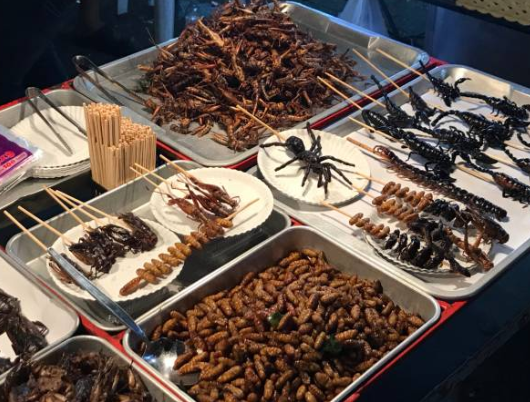
The exotic customs and cultures of Southeast Asia have created unique flavored foods, such as Sarawak, Nyonya cuisine, curry fish head, spicy crab, mango rice, and so on.But you must not know that there are still these dark dishes in Southeast Asia! Just hearing the name is enough to make people unable to eat!
1. Cambodia: Fried Wolf Spider
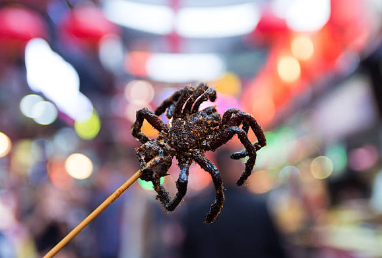
On the streets of Cambodia, fried wolf spiders are a staggering snack. After being captured, these large spiders are washed, fried, and turned into golden and crispy “street snacks”. Locals believe that wolf spiders are rich in protein and are a hunger relief option during times of poverty. Despite its terrifying appearance, the crispy shell contrasts sharply with the delicate meat inside when bitten, and some even describe its taste as similar to fried chicken. This seemingly “dark” way of eating is actually a product of Cambodia’s history and geographical environment – in times of scarcity, insects became an important source of protein.
2. Bali, Indonesia: Fresh Pig Blood Salad
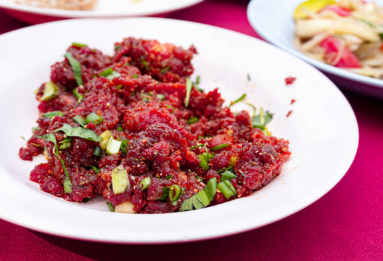
Tic Toc is a traditional dish in Bali, and its preparation process is extremely impactful: fresh pig blood mixed with coconut shreds, lemongrass, ginger, garlic and other seasonings, stirred by hand until the blood stains are fully blended with the spices. This raw food dish has a strong fishy smell and a sticky texture, making it a “challenge” for those who are trying it for the first time. However, in Balinese culture, pig blood is regarded as a nourishing ingredient and is often used for rituals or special occasions. Despite its intimidating appearance and taste, it carries the locals’ reverence for nature and life.
3. Palau, Malaysia: Stewed Bats
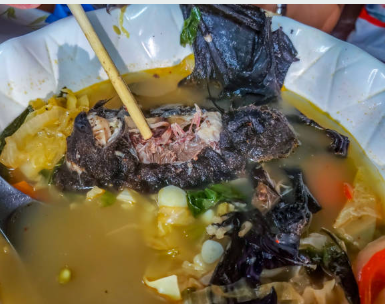
In the Palau Islands of Malaysia, stewed bats are a controversial delicacy. The locals select bats that feed on fruits, clean them, and stew them with coconut juice and spices. It is said to have a taste similar to chicken or quail. However, the appearance of bats, especially their claws and wings, makes it difficult for many diners to accept. The origin of this dish is closely related to the local ecological environment – bats were once an easily accessible source of protein in tropical rainforests. Despite the abundance of modern dietary choices, stewed bats remain a sought after destination for tourists due to their uniqueness.
4. Thailand: Fried Grasshopper
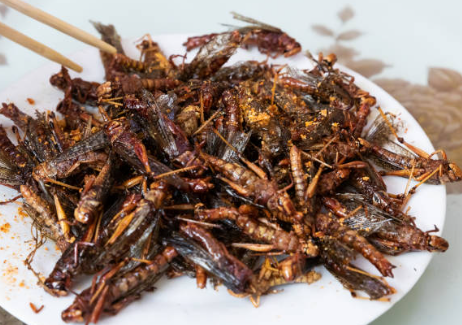
The fried grasshoppers on the streets of Thailand are one of the representatives of Southeast Asian “insect cuisine”. These fried grasshoppers are sprinkled with chili powder or salt to become crispy snacks. For many foreigners, eating insects needs to overcome psychological barriers, but in Thailand, insect cooking has a history of hundreds of years, and is regarded as a healthy food with high protein and low fat. Nowadays, fried grasshoppers are not only street snacks, but also appear on the menus of high-end restaurants, becoming a unique symbol of Thai food culture.
5. Southeast Asia: hairy eggs
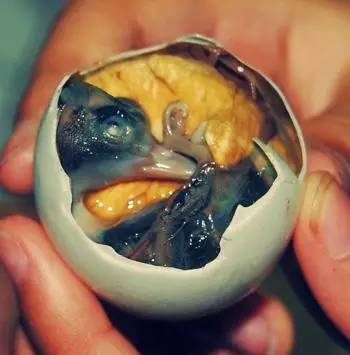
Woolen eggs (also known as “stillborn eggs”) are a traditional snack in many Southeast Asian countries, referring to eggs or duck eggs that have been half hatched and have clearly visible embryos. Although some people believe that it has nourishing effects, the hygiene and nutritional value of hairy eggs are highly controversial. On the streets, hairy eggs are often grilled over charcoal fire and served with sauce. This seemingly “dark” food actually reflects Southeast Asia’s concept of “not wasting food” and has also sparked discussions about ethics and health.