lendin51
In the Southeast Asian culinary landscape, Filipino street food shines as a brilliant gem, exuding a unique and captivating charm that often draws the attention of food enthusiasts worldwide. The capital of the Philippines, Manila, has even been praised by CNN as one of the best cities in Asia for street food, and the entire country can be considered a street food paradise. These snacks are not only affordable but also delicious, available at nearly every street corner. These street foods satisfy the daily eating needs of locals and also serve as a primary source of income for many families. Street vendors often set up shop near churches, schools, and office buildings, creating a unique street scene in the Philippines. Now, let’s take a journey through the streets of the Philippines and explore these mouthwatering treats.
1. Fishballs (Fishballs): Affordable Deliciousness
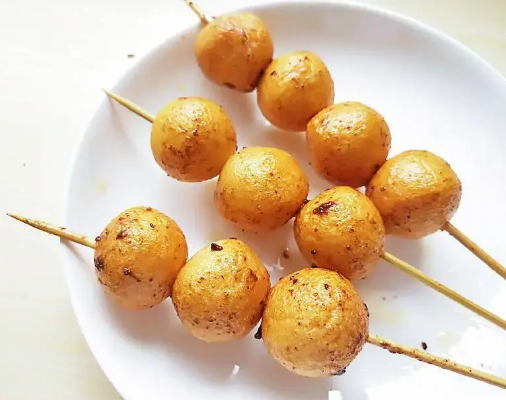
One of the most common sights on the streets of the Philippines is the fried fishball stall, with customers eagerly waiting for their delicious snack. As one of the country’s iconic street foods, there are many types of fishballs available, including fried fishballs, squid balls, and various other meatballs, even sausages are part of the offering. Fishballs are very affordable, with a cup of seven fishballs costing just 5 pesos (around 0.7 RMB). There are various sauces to choose from, including sweet sauce and spicy sauce, allowing customers to select according to their taste. Golden and crispy fishballs are skewered and served with a smile from the vendor, and with the addition of the sauce of your choice, each bite is satisfying.
2. Coconut Juice (Buko Juice): A Refreshing Gift from the Tropics

As a tropical country, the Philippines is rich in coconuts, and coconut juice is a popular drink found on the streets. Buko juice stalls are everywhere, showing the locals’ love for this refreshing beverage. Due to the abundance of coconuts, the price is quite affordable, with street vendors selling it for just 20 pesos (around 2.8 RMB), while restaurants may charge a bit more. The coconut juice here isn’t just plain coconut water; vendors add just the right amount of condensed milk to give it a richer, sweeter taste that is both delicious and very thirst-quenching. Whether it’s spring, summer, autumn, or winter, buying a cup of this refreshing drink as you pass by a stall, accompanied by the faint sea breeze, instantly lifts your spirits.
3. Corn (Mais): Sweet Temptation with Various Ways of Eating
Filipinos’ love for corn is fully expressed in their street food. Corn-based snacks mainly come in three varieties: grilled corn, boiled corn, and corn in a cup. Grilled corn requires a bit more preparation, with the corn being brushed with sauce and chili sauce, then grilled multiple times, continually brushed and turned, until the surface is slightly charred while the inside remains soft. Finally, Filipino-style sauce is drizzled on top, releasing a fragrant, sweet aroma. Boiled corn retains its natural sweet flavor, and even the broth smells irresistible. It can be eaten as is or seasoned with salt or topped with avocado for a unique twist. Corn in a cup is made by placing boiled corn kernels in a cup and adding cheese and butter. This variation is especially loved by students and is commonly found near school stalls.

4. Egg Skewers (Kwek-Kwek): A Unique Egg Flavor
Filipino egg skewers, resembling fishballs in appearance but differing vastly in taste, are another street favorite. Kwek-kwek consists of boiled eggs, which are then coated in flour and deep-fried, and finally topped with sweet chili sauce or a special Filipino white vinegar. This vinegar is not ordinary white vinegar but is infused with onions, garlic, and chili, providing a tangy-sweet taste that is very appetizing. In addition to chicken eggs, quail eggs are also used, and these are known as Toknengeng, which are slightly cheaper than the chicken egg skewers. These snacks are typically served with cucumber and a variety of sauces, allowing customers to either go with the classic flavors or customize their own.

5. Barbecue: A Fusion of Spices and Meat Aroma
Barbecue is a universally loved food, and in the Philippines, it occupies an essential spot in the street food scene. What sets Filipino barbecue apart is its unique sauce, and it can be found at both night markets and roadside stalls. Among the most popular is Isaw (grilled chicken intestines). In addition to chicken intestines, a variety of chicken and pork parts are marinated and grilled on bamboo skewers, including chicken gizzards, chicken liver, pork intestines, squid, and even chicken feet, pig blood, and chicken heads. After grilling, a special sauce is poured over the meat, and it is often served with Filipino-style white vinegar, creating an explosion of flavors in your mouth.

6. Filipino Fried Bananas: A Sweet and Crispy Temptation
Fried bananas are a representative street food in the Philippines, and although they can also be found in other Southeast Asian countries, Filipino fried bananas have their own unique charm. There are several ways to prepare them: one way is to coat the bananas in breadcrumbs before frying, creating a golden, crispy exterior with soft, sticky banana flesh inside; another method is to fry the bananas directly, with the hot bananas enveloped in caramelized sugar, giving a sweet and irresistible taste; there’s also the option of wrapping the banana in pastry dough before frying and then drizzling it with sauce and sprinkling sesame seeds on top for an aromatic, sweet flavor that isn’t too heavy. Known locally as Maruya, these fried bananas are inexpensive, with a serving sometimes containing two bananas or one particularly large one, all for just 10 pesos (about 1.5 RMB), making it an excellent value for money.
7. Green Mango (Manga): A Sweet and Sour Experience
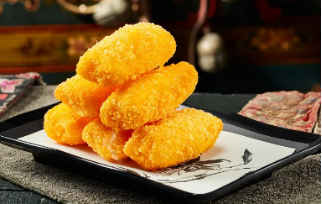
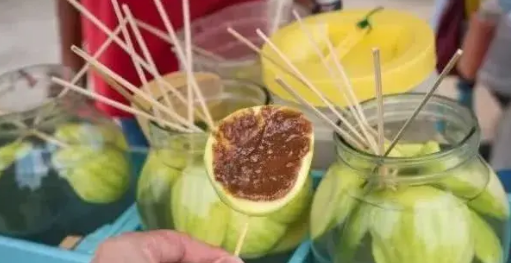
Green mangoes may not look particularly eye-catching, but their flavor is surprisingly amazing. The green mango is typically cut in half, skewered, and dipped in a jar. When you buy it, the vendor will take out a skewer of mango and drizzle it with Filipino-style shrimp paste, or customers can choose a special powder. The sweet and sour taste is irresistible, and you’ll find yourself eating one after another, unable to stop.
Filipino street food is beloved not only for its affordability but also for its deep-rooted local flavors, complemented by a variety of special sauces. These snacks are irresistible to both locals and tourists alike. As you stroll through the streets of the Philippines, enjoying these treats and breathing in the salty sea breeze, every bite will become a cherished memory, transporting you to the heart of this vibrant and flavorful country.