lendin51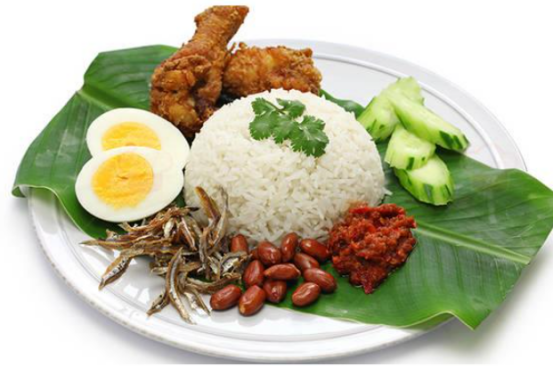
Nasi Lemak, Malaysia’s iconic dish, is a beloved classic deeply rooted in the country’s history and culture. Enjoyed by locals and highly recommended for visitors, this fragrant coconut rice dish is considered Malaysia’s “national treasure” of food. Today, let’s explore the magic of Nasi Lemak, its rich heritage, and how you can prepare this delightful dish at home.
What is Nasi Lemak?
The name Nasi Lemak literally translates to “rich rice,” referring to the creamy texture imparted by coconut milk. While the cooking process is simple, the resulting flavors are incredibly rich and complex. The dish is made with rice cooked in coconut milk and pandan leaves, served with an array of flavorful accompaniments, creating a perfect harmony of taste and texture.
Traditional Ingredients of Nasi Lemak
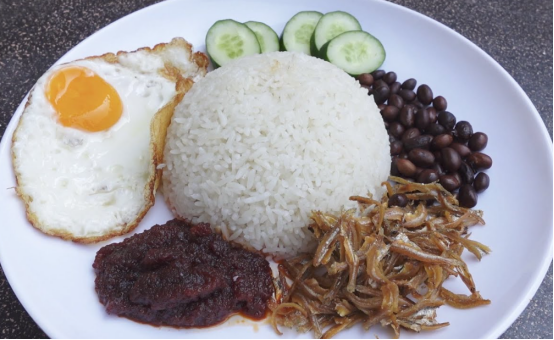
What makes Nasi Lemak truly special is not just its fragrant rice, but the delicious variety of side dishes that accompany it. A traditional serving of Nasi Lemak typically includes:
- Cucumber Slices: Adds a refreshing crunch to balance the richness.
- Crispy Fried Anchovies (Ikan Bilis): Provides a salty, umami punch.
- Roasted Peanuts: Enhances texture and nuttiness.
- Boiled Egg: Often served hard-boiled, adding extra richness.
- Sambal (Spicy Chili Paste): The soul of Nasi Lemak, this flavorful condiment is made from shallots, garlic, dried chilies, lemongrass, and palm sugar, creating a perfect balance of heat and sweetness.
Beyond these classic ingredients, Nasi Lemak can be elevated with additional toppings such as fried chicken, beef rendang, grilled fish, or even prawns, making it a versatile and satisfying dish for any meal.
Cultural Significance of Nasi Lemak
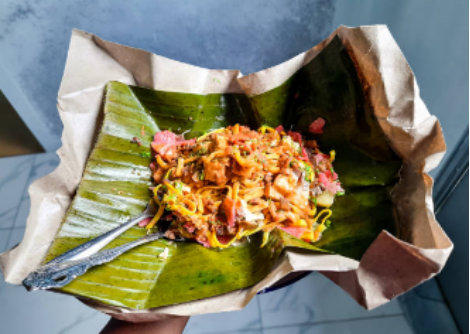
Nasi Lemak is more than just a meal—it is a symbol of Malaysian culture and unity. From humble street stalls to high-end restaurants, this dish is a staple across the country. Many Malaysians enjoy it as a hearty breakfast, providing energy for the day ahead. Traditionally, Nasi Lemak is wrapped in banana leaves, enhancing its aroma and preserving its authentic taste.
The Unique Flavors of Nasi Lemak
What makes Nasi Lemak stand out is its incredible combination of flavors and textures. The rice, infused with coconut milk and pandan, is creamy and aromatic. The crunchy anchovies, roasted peanuts, and fresh cucumber contrast beautifully with the spicy, slightly sweet sambal. Each bite delivers a delightful balance of sweet, salty, spicy, and creamy—a taste experience that keeps people coming back for more.
How to Make Nasi Lemak at Home
Although widely available in Malaysia, Nasi Lemak can also be easily prepared at home. Here’s a simple recipe to try:
Ingredients:
- 300g rice
- 450ml coconut milk
- 5g shredded coconut (optional)
- 1 egg
- ½ cucumber, sliced
- 100g roasted peanuts
- 150g dried anchovies (fried until crispy)
- 1 tsp salt
- 4 tbsp cooking oil
Instructions:
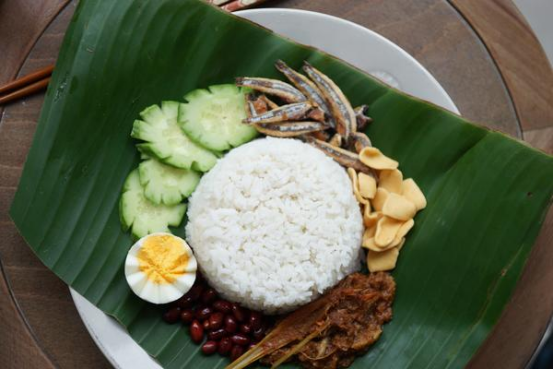
- Cook the rice: Rinse the rice, then cook it with coconut milk, salt, and a little oil. Once done, fluff the rice and press it into a bowl, then invert onto a plate. Sprinkle with shredded coconut and sesame seeds for extra flavor.
- Prepare the toppings: Slice the cucumber, boil the egg and cut it into wedges, and fry the anchovies and peanuts until crispy.
- Assemble and serve: Arrange the cooked rice on a plate with all the toppings, and enjoy with sambal.
Final Thoughts
Nasi Lemak is not just a dish—it is a gastronomic journey into Malaysia’s rich culinary heritage. Whether enjoyed from a roadside stall or a fine dining restaurant, its iconic flavors and deep cultural roots make it a must-try. Now that you know how to make it at home, why not give it a try? Whether for breakfast, lunch, or dinner, Nasi Lemak guarantees an unforgettable and delicious experience!
Have you ever tried Nasi Lemak? What’s your favorite way to enjoy it? Share your thoughts below!