lendin51
Southeast Asia is a vegetarian paradise. Coconut milk, lemongrass, mint, basil, and chili peppers weave an intoxicating blend of flavors on the table. From Bangkok’s night market stalls to Bali’s seaside cafes, you’ll find vibrant, plant-based dishes everywhere.
This Southeast Asian Vegetarian Food Guide takes you on a journey through Thailand, Vietnam, Singapore, Malaysia, and Indonesia, exploring their vegetarian traditions, cultural roots, and practical travel tips to ensure your journey is both safe and full of surprises.
What is Southeast Asian Vegetarianism? — A Rich World Beyond Salad
Southeast Asian vegetarianism is far more than just a combination of vegetables and tofu; it is a lifestyle deeply rooted in religious beliefs and climate culture.
In regions heavily influenced by Buddhism, vegetarian cuisine (also known as vegan food) is a common practice—it omits meat, eggs, and sometimes even spicy ingredients like onions and garlic. Meanwhile, the abundant local produce of coconut, herbs (such as lemongrass, basil, and mint), tropical fruits, and plant-based proteins like tofu and tempeh offer endless creative possibilities for vegetarian cuisine.
This “plant-centered” dietary philosophy not only continues the traditional religious concept of purity, but also fits the core spirit of contemporary vegetarian food culture : respect for life and balance between health and nature.
2. The Cultural Background of Southeast Asian Vegetarianism: The Interweaving of Faith and Daily Life
1. “Everything can be made vegetarian”? — Myth and reality
Despite Southeast Asian cuisine’s heavy emphasis on vegetables, many dishes still rely on fish sauce, shrimp paste, or dried shrimp for flavor. For example, dishes like Thai green papaya salad (Som Tum) and Vietnamese spring rolls often contain animal-based seasonings unless specifically stated. True vegetarian travelers should proactively communicate, clearly stating “No fish sauce, no meat, vegetarian.”
2. The profound influence of Buddhist vegetarian cuisine
In Thailand, Vietnam, and some Chinese communities, observing vegetarianism on the first and fifteenth days of the lunar month is a traditional custom. Affordable vegetarian stalls are often found near temples, offering options for vegans and vegetarians. This “religious vegetarian culture” is also a key factor in the modern global trend toward plant-based diets .
3. Classic Dishes Tour: Vegetarian Flavor Maps of Five Countries
As a food and culture researcher, I’ve visited temple canteens in Bangkok and street vendors in Ho Chi Minh City. I’ve also consulted the Journal of Asian Food Studies and UNESCO’s food culture archives to select the following representative dishes:
Thailand
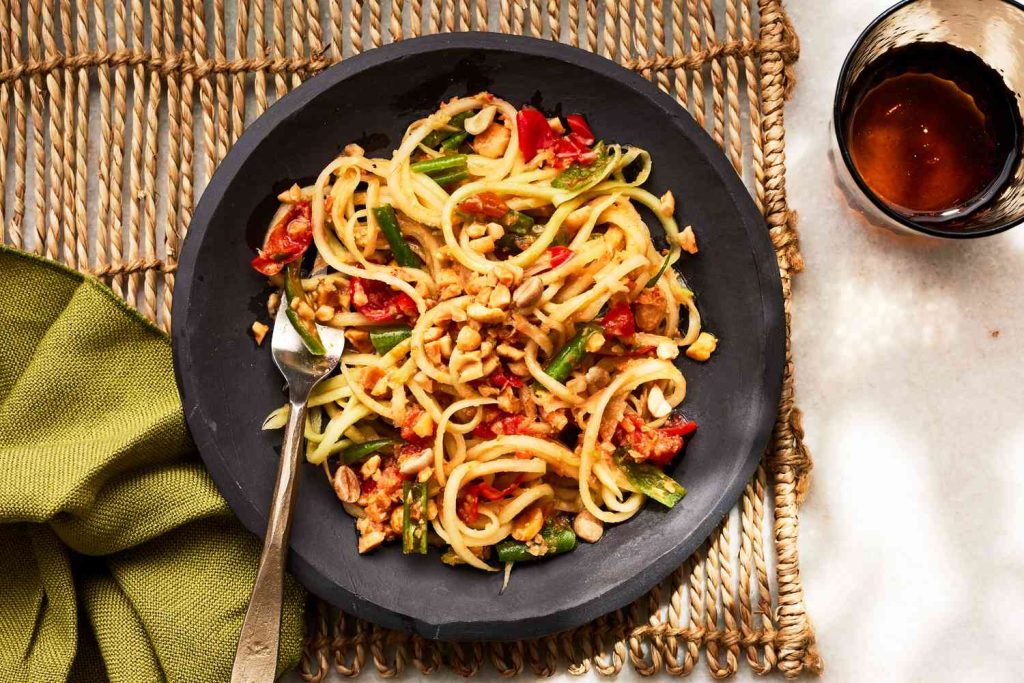
Pad Thai Jay (Vegetarian Fried Rice Noodles) : The aroma of tofu and peanuts blends together, and vegetarian soy sauce replaces fish sauce, creating a balanced sweet and sour taste.
Green Curry with Vegetables : The gentle collision of coconut milk and vanilla shows the warm side of Thai flavor.
Vietnam
Bánh Mì Chay (Vegetarian Vietnamese Buns) : A refreshing combination of pickled radish, cucumber and vegetarian sauce, with a rich taste.
Phở Chay (Vegetarian Pho) : A mushroom broth base replaces bone broth, and herbs and rice noodles make for a light and satisfying meal.
Singapore & Malaysia
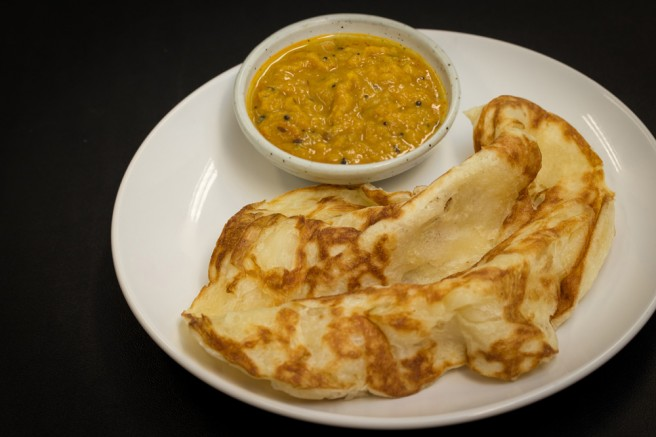
Roti Canai with Dhal (Indian flatbread with cardamom broth) : A classic vegetarian street food from the Indian community, crispy on the outside and soft on the inside.
Laksa Lemak (vegetarian laksa) : The coconut milk-based soup base does not contain shrimp paste, and it has a spicy and milky flavor.
Indonesia
Gado-Gado : An Indonesian salad with a rich peanut sauce that combines steamed vegetables and tempeh.
Tempeh Goreng (Fried Tempeh) : The nutty flavor of fermented soybeans is the soul of Southeast Asian vegetarian protein.
Together, these dishes paint a picture of a cuisine that is “exciting even without meat”—one in which spices, herbs, and fermentation reconstruct the taste buds.
4.The Dual Value of Health and Sustainability
Southeast Asian vegetarian cuisine has recently garnered attention from global health advocates due to its low-carb, low-fat, and high-fiber profile.
In a growing number of Southeast Asian restaurants, consumers are exploring meatless yet rich flavor combinations—a trend not only for food but also for a more environmentally friendly and healthier lifestyle.
5. A Practical Guide to Vegetarian Travel in Southeast Asia
Key phrases to master :
Thailand: “Jay” or “Mang Sa Wirat”
Vietnamese: “Ăn Chay”
Malay/Indonesian: “Makanan Vegetarian”
Choose the right restaurant : Give priority to vegetarian restaurants and Indian restaurants near temples, or use apps such as HappyCow to search.
Proactively confirm sauce ingredients : Ask whether the soup base, oils, and seasonings contain animal sources.
6. Conclusion: A journey of taste and philosophy
Southeast Asia’s vegetarian cuisine is a cultural resonance—at once ancient and contemporary, a continuation of faith and a hope for a sustainable future for the planet.
From pad Thai to tempeh, each dish reminds us that deliciousness doesn’t necessarily depend on meat; flavor comes from the land, the climate, and creativity.
In the tropical sun and spices, vegetarianism is no longer a restriction, but a freedom.
If you want to explore this freedom on your next trip, save this guide to plan your plant-based journey and gain a deeper understanding of the philosophy and future of vegetarian food culture .