 lendin51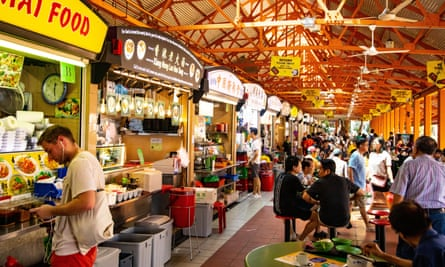
As you wander the night markets of Southeast Asian cities like Kuala Lumpur, Penang, Bangkok, and Hanoi, the air is filled with a myriad of aromas: snacks sizzling over charcoal grills, handmade desserts steaming from steamers, and refreshingly cool drinks intertwine, creating a culinary feast. Just as you’ve savored the richly spiced rice stews and coconut sugar-studded desserts of Africa , this is a tropical feast. From street food to iced desserts, this article will guide you through the world of Southeast Asian street food in seven sections.
The cultural background and market atmosphere of street snacks
In Southeast Asia, street food isn’t just a way to fill your stomach; it’s a microcosm of local culture. Diverse cultures, including Chinese, Malay, Indonesian, Thai, and Vietnamese, blend together in their food. Local night markets, hawker centers, kopitiams, pasar malams, and wet markets are often the places to experience the most authentic flavors.
You might see vendors shouting, food sizzling over charcoal, or handmade pastries steaming in steamers—all of this is culture flowing through your taste buds. For true local flavor, it’s safest to choose a popular stall frequented by locals.
Five snacks worth trying
The following five snacks can be found everywhere on the streets of Southeast Asia and are also very unique to the region:
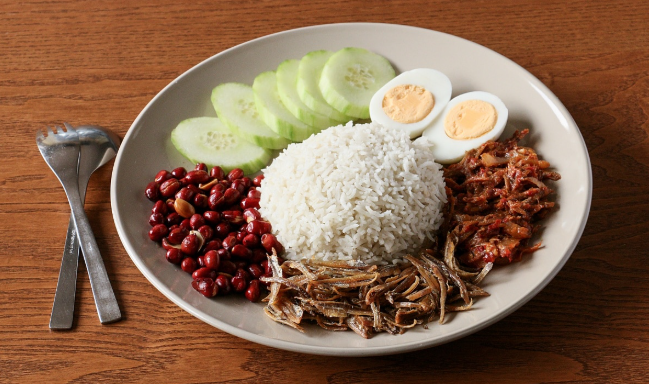
Nasi Lemak is
a classic breakfast and snack in Malaysia and Singapore. It’s rice cooked in coconut milk and served with a fried egg, fried peanuts, dried fish, cucumber slices, and spicy sambal sauce. It’s served as a main course or as a street food.
Roti, Roti Canai, and Roti Telur
are Indian-influenced flatbreads commonly found on the streets of Malaysia, Singapore, and Indonesia. They can be eaten on their own, dipped in curry, or filled with eggs, bananas, or even sweet fillings.
Curry Puffs
are made with curry chicken, potatoes and onions wrapped in puff pastry and fried until golden and crispy. They are the perfect snack to grab and eat on the go.
Mont Lin Maya (Burmese Husband and Wife Pancake)
is made with rice flour or rice paste, spiced with cardamom, chopped green onions, and eggs, then pan-fried. Its slightly crispy texture and savory-sweet flavor make it a Burmese street food classic.
Bánh / Vietnamese / Thai street pancakes
can be seen on the streets of Vietnam and Thailand (such as Bánh xèo or Thai khanom). They are made by wrapping vegetables, bean sprouts and spices in pancakes. They are a delicacy that is often overlooked when walking around the streets.
Each of these snacks has its own distinct characteristics: some are crispy, others soft and glutinous, some savory, and some slightly sweet. When trying them during your travels, pay attention to the fillings, seasoning, and presentation; these details often reveal the authenticity of the stall.
Must-try desserts and cold drinks
In the scorching heat of Southeast Asia, desserts and cold drinks are a must-try for almost every traveler. The following are some of the most common and representative street foods:
Chendol, a
Southeast Asian ice cream concoction made with shaved ice, coconut milk, green pandan vermicelli noodles, and palm sugar syrup, is a signature dessert. Many versions also feature red beans, corn, or coconut flakes.
Bubur Cha Cha
is a dessert made by cooking taro, sweet potato, sago and banana in coconut milk. It can be eaten hot or cold and is a common street food in Malaysia, Singapore and Indonesia.
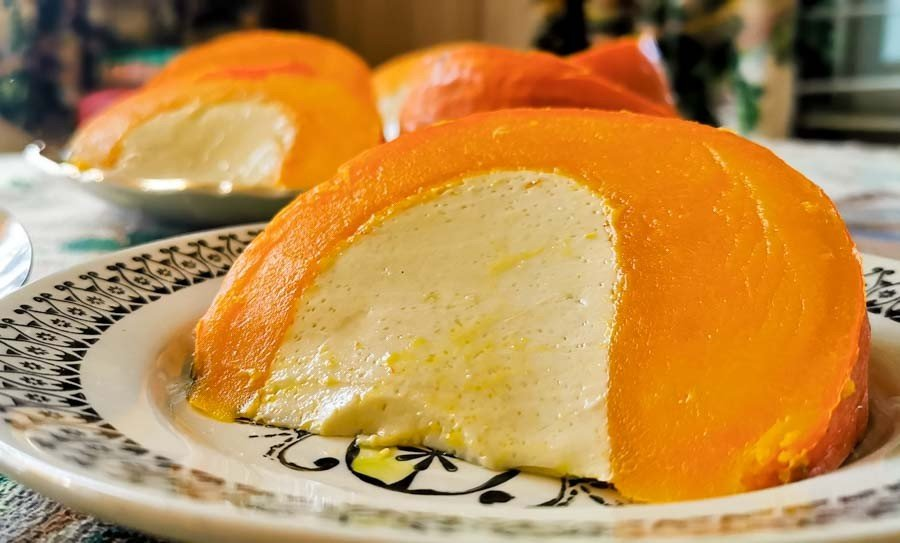
Pumpkin Coconut Custard
is made by mixing coconut milk and egg custard and then steaming and baking it in a pumpkin. It is commonly found in markets in Thailand, Cambodia, and Laos and has a smooth and fragrant taste.
Kueh, a type of Nyonya cake
, includes layers of kueh, pandan layers of kueh, and coconut glutinous rice cake. Kueh is made by steaming layers of coconut milk, rice flour, pandan leaves, and coconut sugar. It is commonly found in Chinese communities in Malaysia and Singapore.
Coconut Ice Cream & Jelly
is an ice cream made from fresh coconut milk, coconut meat or jelly. It is commonly found at the beach, night markets or fruit markets. It is refreshing and sweet with a coconut flavor, and is often served with fried bananas or sticky rice.
Ingredients, spices and flavor composition
The charm of Southeast Asian street desserts and snacks largely comes from the ingredients and flavor structure:
Coconut milk/coconut cream : The base for desserts and snacks, indispensable for making soups, soaking, and making sauces.
Coconut sugar/brown sugar : provides a unique caramel aroma and is the main source of sweetness.
Pandan : The leaf juice is a natural spice with a light grassy aroma.
Glutinous rice/sago/kueh/vermicelli : provide a rich taste, such as nasi lemak, layer cake, and Bubur series.
Tropical fruits : mango, banana, coconut, mangosteen, etc. are often added to desserts.
Seasoning fusion : A pinch of salt, herbs, or spices balances sweetness and adds a rich flavor.
Different regions have different combinations, creating a rich and diverse flavor landscape.
Pairing suggestions & eating tips
Sweet/savory alternation : Nasi lemak, curry puffs, followed by a bowl of Chendol or Bubur Cha Cha, are perfect for relieving greasiness.
Mix hot and cold : hot desserts with warm drinks, or shaved ice with cold drinks, the best way to cool down in the summer.
Portion size comparison : Street food is served in small portions, and desserts/cold drinks are often served as snacks, so it is recommended to share between two or three people.
Local limited/seasonal ingredients : Don’t miss out on fruit season dishes like durian sticky rice and mangosteen jelly.
Dessert innovation trends and modern fusion
Ice cream + Chendol : Incorporate Chendol elements into ice cream, and enjoy the complex taste of shaved ice, coconut milk and vermicelli with just one spoon.
Low-sugar/plant-based milk version : Replace cow’s milk with coconut milk or almond milk to reduce sugar content and cater to health needs.
Western fusion of pastries : The flavor of Nyonya cakes is integrated into Western puddings, cakes, and cheesecakes to create a cross-border dessert.
Internet celebrity/coffee shop version : Chendol Latte, coconut milk latte with layer cake, appears in coffee shops and is a popular check-in spot for young people.
Frequently Asked Questions (FAQ)
Q1: What are the differences between different versions of Chendol?
The Malaysian/Singaporean versions are primarily made with coconut milk, palm sugar, and vermicelli noodles; the Indonesian version adds condensed milk or fermented tapioca; and the Thai version sometimes features mango, glutinous rice, durian, and other local specialties.
Q2: Where does Nyonya Kueh/Layer Kueh originate?
It originates from a fusion of Malay, Indonesian, and Chinese cultures. It is a colorful layered cake made from coconut milk, rice flour, and pandan leaves.
Q3: Is Bubur Cha Cha served hot or cold?
It’s both. Hot has a richer broth, while cold is more refreshing.
Q4: Are these desserts suitable for taking home?
Layer cakes and Nyonya cakes can be stored for a while, but shaved ice/ice products such as Chendol and coconut ice cream are not suitable for long-distance transportation.
Q5: How do I choose a safe and hygienic stall?
Choose a stall with many locals, freshly prepared food, clean and bright, and covered; avoid leaving ingredients exposed or left out for long periods of time.


