lendin51
In the colorful picture of Malaysian cuisine, Rou Gu Cha is like a rich color, conquering the taste buds of countless diners with its rich aroma, rich taste, and unique nourishing effects. This dish, which combines food and health preservation, is not only a treasure of local culinary culture, but also a wonderful encounter between taste buds and health.
Ingredients formula: a fusion of tradition and uniqueness
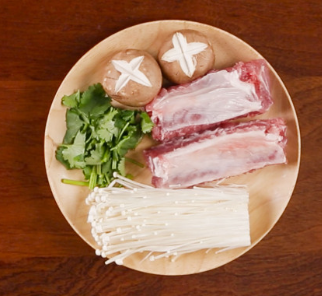
The ingredient formula for Malaysian meat bone tea is rich and diverse, and each ingredient plays an indispensable role in this dish. Pork ribs are the core ingredient of pork bone tea. It is important to choose pork ribs that are fresh and tender, with a balance of fat and lean. This way, the stewed pork bone tea will not only have a meaty aroma but also not be too greasy. In addition to pork ribs, garlic is also essential. A large amount of garlic cloves can not only add a unique flavor to meat bone tea, but also have the effects of sterilization and enhancing immunity.
Spices play a crucial role in adding the finishing touch to meat and bone tea. The combination of spices such as star anise, cinnamon, fragrant leaves, cloves, and Sichuan peppercorns creates a rich and mellow aroma for Rou Gu Cha. These spices not only remove fishy smell and enhance fragrance, but also have certain medicinal value, such as star anise can warm yang, dispel cold, regulate qi and relieve pain; Cinnamon can warm the spleen and stomach, dispel wind and cold. In addition, the addition of traditional Chinese medicinal herbs such as Angelica sinensis, Codonopsis pilosula, and Goji berries makes Rougu tea have nourishing effects. Angelica sinensis has the function of nourishing blood and promoting blood circulation, Codonopsis pilosula can nourish the middle and qi, and Goji berries can nourish the liver and kidneys. The perfect combination of these ingredients with spices and traditional Chinese medicine forms the unique formula of Malaysian Rou Bone Tea.
Cooking steps: Delicious carving by simmering over low heat
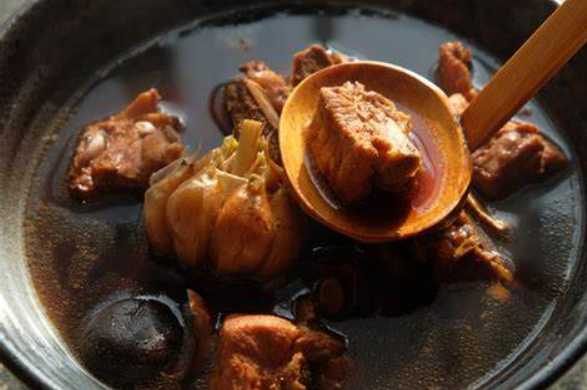
To make Malaysian pork bone tea, the first step is to wash the pork ribs, cut them into small pieces, blanch them in boiling water to remove the fishy smell, remove them and drain the water for later use. Next, pour an appropriate amount of cooking oil into the hot pot, add a large amount of garlic cloves and stir fry until golden brown, and the aroma of garlic cloves instantly spreads. Subsequently, add the blanched pork ribs and stir fry until the surface turns slightly yellow, allowing the ribs to fully absorb the garlic aroma.
Put the stir fried pork ribs and garlic cloves into a clay pot, add spices such as star anise, cinnamon, fragrant leaves, cloves, Sichuan peppercorns, as well as Chinese medicinal herbs such as Angelica sinensis, Codonopsis pilosula, and Goji berries. Then pour in an appropriate amount of light soy sauce, dark soy sauce, cooking wine, rock sugar, and plenty of water. The amount of water should not exceed the amount of ingredients, ensuring that the ingredients can fully absorb the flavor of the soup during the stewing process. Cover the pot and bring the soup to a boil over high heat, then simmer over low heat for 1.5 to 2 hours. During the slow stewing process, the flavors of various ingredients blend together, and the soup gradually becomes rich and mellow. The stew time should be enough, so that the ribs can be stewed soft and tasty, and the soup can fully absorb the essence of food materials and spices. Finally, add an appropriate amount of salt to season according to personal taste, and a pot of fragrant and delicious Malaysian pork bone tea is ready.
Taste characteristics: a rich and mellow blend with freshness, tenderness, and smoothness
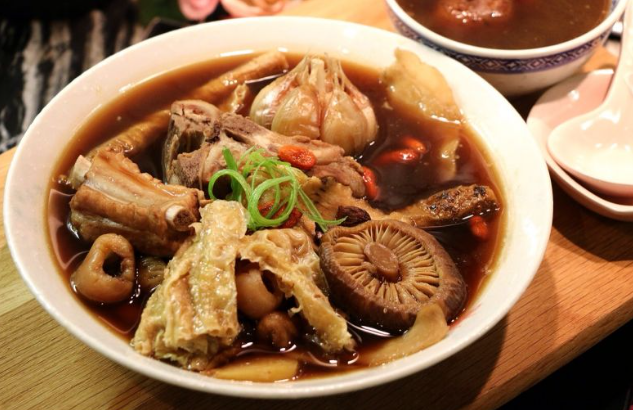
The taste of Malaysian meat bone tea is rich and unique. Firstly, the rich and mellow broth brings a strong taste impact to people. The soup blends the rich aroma of spices, the mellow taste of traditional Chinese medicine, and the deliciousness of pork ribs. Drinking it instantly brings warmth and satisfaction. The taste of the soup has distinct layers, with the pungent aroma of spices, the sweet taste of traditional Chinese medicine, and the fresh aroma of pork ribs. Multiple flavors interweave in the mouth, leaving an endless aftertaste.
And the stewed and soft ribs are the essence of meat bone tea. The meat of the pork ribs is fresh, tender, and smooth. With a gentle bite, the bones separate, and the tender pork ribs absorb the rich flavor of the soup. Every bite is filled with the aroma of meat and spices. At the same time, the bone marrow in the pork ribs is also stewed and cooked until soft, sticky, and delicious. Taking a sip is full of nutrients and deliciousness. Garlic becomes soft, sticky, and sweet during the stewing process. It not only loses its spicy and stimulating sensation, but also adds a unique flavor. When paired with pork ribs and soup, it makes the taste more rich.
Cultural significance: the crystallization of multicultural cuisine
Behind Malaysia’s meat and bone tea lies profound cultural significance. It is a vivid embodiment of Malaysia’s multicultural integration. Rou Gu Cha originated from early Chinese laborers in Southeast Asia who combined traditional Chinese soup making culture with the use of local spices in Malaysia to create this unique delicacy. In Malaysia, meat and bone tea is not only a delicacy, but also a medium for social and cultural exchange. Whether in bustling city streets or peaceful rural towns, one can see people sitting together and sharing the warm scene of meat and bone tea. At family gatherings and gatherings with friends, Rou Gu Cha is often the centerpiece of the table. While enjoying the delicious Rou Gu Cha, people share the bits and pieces of life and strengthen their relationships with each other.
Malaysia Meat Bone Tea, the nourishing secret in this rich and hot soup, has become an outstanding representative of Malaysian culinary culture with its unique ingredient formula, exquisite cooking techniques, wonderful taste characteristics, and profound cultural connotations. Every bite of meat bone tea is an ultimate enjoyment for the taste buds and a profound experience of Malaysia’s diverse culture.