lendin51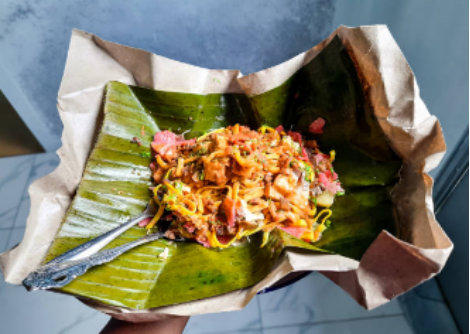
Hey there, food lovers! Today, I’m super stoked to introduce you to one of Indonesia’s most amazing and unique dishes, Gado-Gado. It’s like a flavor explosion that combines a bunch of fresh veggies and other yummy stuff. Let’s dig in!
What Exactly is Gado-Gado?
Gado-gado is a super popular dish from the Indonesian island of Java. People often call it the “Indonesian salad” or the “peanut-sauce-drizzled salad,” but it’s way different from the salads we know in the West. It’s a big mix of lettuce, cabbage, green beans, fried tofu, shrimp crackers, and eggs, and all these are topped off with a delicious satay sauce. You can eat it just like that or pair it with rice or a banana-leaf-wrapped rice cake called Lontong. It’s so popular that you can find it in Indonesian restaurants in places with lots of Indonesian expats, like Hong Kong and Malaysia.
The Mystery of Its Origin
The name Gado-Gado means “mix” in Indonesian, and that’s exactly what this dish is all about. But where did it come from? Well, no one’s really sure. A lot of people think it might have started in the Betawi community in Jakarta. Back in the 1940s, there was a song called “Jakarta Gado-Gado” that was really popular, and it mentioned this dish. Then, in the 1980s, there was a radio show on the Indonesian Republic Radio (RRI). It was about a horse-cart driver named Bang Mamad and a woman named Mpok Atik who sold Gado-Gado. They talked in the Betawi language, and that made more people think of Gado-Gado as a Betawi specialty. But some people also believe it could be a Chinese-influenced version of another Javanese dish called Pecel, and it was really loved by the Dutch colonizers.
What’s in This Tasty Dish?
Veggies Galore
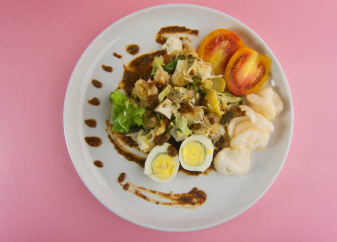
There are so many veggies you can use for Gado-Gado. Some common ones are shredded lettuce, cabbage, cauliflower, green beans, bean sprouts, carrots, cucumbers, tomatoes, and cooked potato chunks or mashed potatoes. Usually, the eggs and potatoes are cooked first. Most of the other veggies are eaten raw, but if they can’t be eaten raw, like cauliflower, they’re blanched in hot water. Depending on where you are and the season, you can also use water spinach, amaranth, peas, eggplant, chayote, lemon basil, and more.
Other Yummy Bits
Besides the veggies, Gado-Gado usually has cooked eggs or quail eggs, tofu, shrimp crackers or bitter fruit slices, and glutinous rice cakes.
The Magic Satay Sauce
The satay sauce is what makes Gado-Gado so special. It’s made with roasted peanuts, garlic, shallots, chili or pepper, lemon leaves, salt, brown sugar, and water. Sometimes, they also add coconut milk, sweet soy sauce, fish sauce, shrimp paste, galangal, tamarind juice, and lemon juice.
Different Ways to Make Gado – Gado
Jakarta—Style Gado – Gado
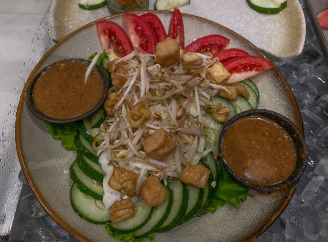
This is the classic version that goes back to the 1900s in Batavia (now Jakarta). It has cabbage, green beans, tofu, bean sprouts, crispy shallots, chayote, shrimp crackers, eggs, and tempeh.
Malang – Style Gado – Gado
From Malang in East Java, it’s pretty similar to other versions. But besides shrimp crackers, it usually has bitter fruit slices.
Padang Style Gado – Gado
In Padang, West Sumatra, they love spicy food. So, this Gado-Gado is much spicier than the Javanese ones. The satay sauce often has more than ten chilies in it, and it’s also a bit salty.
Sidoarjo Fish Sauce Gado – Gado
This is a special dish from Sidoarjo in East Java. Its unique feature is the use of fish sauce (petis), which is made from fish waste in the fishing industry. It’s thick, black, and sweet because of the Javanese brown sugar, and it looks and feels like oyster sauce.
Cirebon—Style Gado – Gado
The sauce here has both traditional peanut sauce and coconut milk. And these days, with more tourists coming to Indonesia, there are new versions like Gado-Gado sushi.
Similar Dishes
Pecel
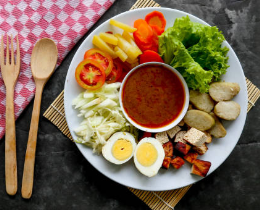
This comes from Mojokerto in East Java. In Javanese, “pecel” means “mashed.” It’s a mix of green beans, bean sprouts, cucumbers, cassava leaves, lemon basil, and sometimes cooked eggs or anchovies. It’s served with a special peanut sambal sauce made with galangal, Javanese brown sugar, salt, chili, kaffir lime, and roasted peanuts.
Lotek
Common in West Java, it’s a lot like Pecel. But the sauce has tempeh, shrimp paste, and garlic, and it’s sweeter. Also, amaranth, green beans, peas, and soybean leaves are always in it.
Karedok
This is a Sundanese 凉拌菜. It has raw cucumbers, bean sprouts, cabbage, green beans, lemon basil, and eggplant. The sauce is made by mashing red chilies, peanuts, garlic, galangal, Javanese brown sugar, salt, and shrimp paste. It’s usually served as a small side dish, not with rice or rice cakes.
The Cultural Side of Gado – Gado
In Indonesian, “gado-gado” means a mixture of many things. For example, “bahasa gado-gado” means a language made up of different languages. As a traditional dish, Gado-Gado shows how much Indonesians love to mix different ingredients. The variety of veggies and the unique satay sauce make it a symbol of Indonesian food culture. It’s getting more and more famous around the world, and it’s a great way for people to learn about Indonesian cuisine.
So, there you have it, folks! Gado-gado is not just a dish; it’s an adventure for your taste buds. Have you ever tried it? What did you think? Let me know in the comments below!