lendin51
Beneath its golden, crispy skin lies tender, juicy, and fragrant pork—this is the Filipino national treasure, roast suckling pig. It’s not just a feast for the taste buds, but also the soul of Filipino culture and celebrations. But where does the title of “world’s most delicious roast pig” come from? Is it truly deserving? Let’s explore the secrets of Lechon.
What is Lechon? The King of Feasts in the Philippines
The word “Lechon” originates from Spanish, meaning “suckling pig,” giving it a slightly European flavor , but in the Philippines, it’s far more than just a dish. It’s the undisputed star of birthday parties, weddings, festivals, and family gatherings. A whole suckling pig is skewered on bamboo poles and slowly roasted over charcoal for hours until golden brown; its very appearance signifies the arrival of an important celebration. The Philippine Department of Tourism lists it as one of the most iconic Filipino experiences, highlighting its deep cultural roots.
Lechon is more than just food; it’s a cultural ritual. Families and communities share this delicious dish to convey the values of togetherness, celebration, and hospitality. This is why Lechon has become an irreplaceable tradition on the Filipino table.

Lechon’s delicious secrets: from ingredient selection to cooking time and temperature
Soul-like Skin: Ultimate Crispyness
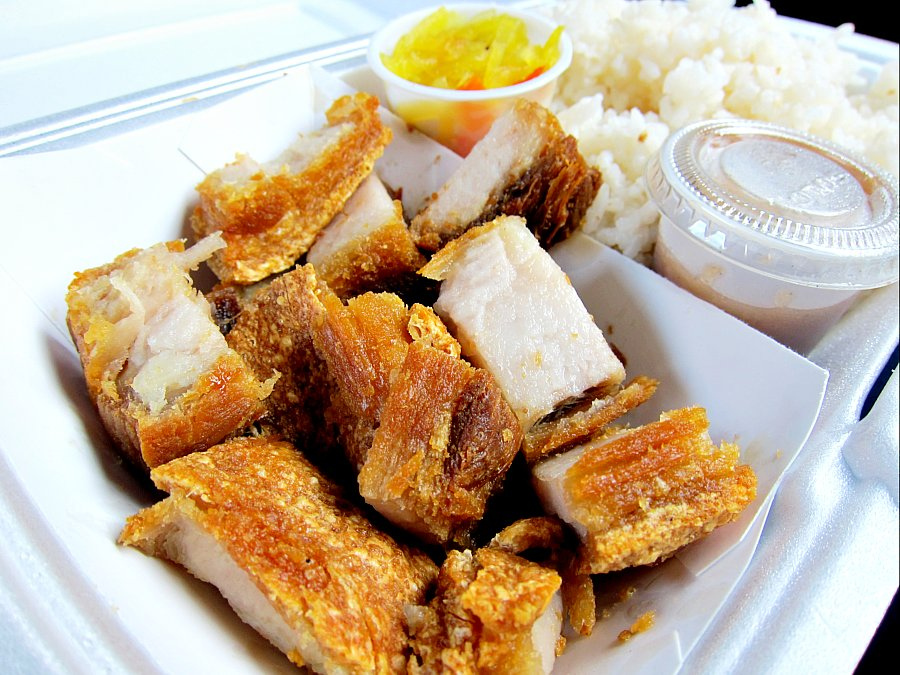
The first criterion for judging the success of a Lechon is its crust. To achieve a “glassy” crispness, the chef needs precise control over the heat. Continuous rotation ensures even heating, allowing the fat under the pork skin to slowly melt, while the crust becomes caramelized and crispy through the Maillard reaction, producing a crunchy sound when bitten.
Flavor Within: Rich Filling
The stuffing inside the pig’s stomach is key to giving the meat a deep flavor and also contributes to regional differences:
Cebu style : Typically using only simple spices such as garlic, onions, salt, and pepper, which better highlights the natural flavor of the pork. It is this style that was praised by the late food critic Anthony Bourdain as “the most delicious roasted pork in the world.”
Manila style : It incorporates lemongrass, bay leaves, soy sauce, and even liver pâté, resulting in a richer and more robust flavor.
The Heart of Craftsmanship: The Art of Slow-Rotating
The entire roasting process takes 6–8 hours, requiring the chef to constantly rotate and adjust the heat manually. This is not only to cook the meat thoroughly, but also to render the fat, allowing the meat to be “steamed” and roasted in its own juices to remain tender, while simultaneously achieving a perfectly crispy skin.
Author’s perspective: After studying dozens of recipes, chef interviews and diner reviews, I realized that Lechon’s charm lies in the “harmony of contradictions”—presenting an irresistible sensory experience of “crispness” and “tenderness” through the most painstaking slow process.
The accolades and controversies surrounding the “world’s best”
“The world’s most delicious roasted pig” is a very prestigious title, and it’s also the subject of much discussion.
Supportive voices : This accolade is largely due to public endorsements from culinary authorities such as Anthony Bourdain. Through global media coverage, including CNN, Lechon, especially the Cebu edition, has gained international recognition, attracting a large influx of tourists.
Perspectives that need to be clarified :
Subjectivity : Deliciousness is highly personal; Chinese roast suckling pig and Spanish Cochinillo Asado also have loyal fans. Calling Lechon “one of” is more precise than “the best.”
Cultural Context : Lechon’s delicious food is closely linked to festivals and family reunion memories, and this cultural added value cannot be ignored.
More accurately, Lechon is one of the world’s most acclaimed and culturally significant roasted pork dishes.
How to experience the most authentic Lechon
Choose a destination : Cebu is widely recognized as the capital of Lechon and boasts many well-known long-established restaurants. Major cities like Manila also offer top-notch dining options.
Ordering tip : Clearly tell the waiter “more crispy skin,” and pair it with simple soy sauce and vinegar or liver pâté for a classic look.
Best time to eat : Lechon requires pre-ordering and is best consumed as soon as possible after being baked on the same day. During festivals, you can find stalls that bake it on-site.
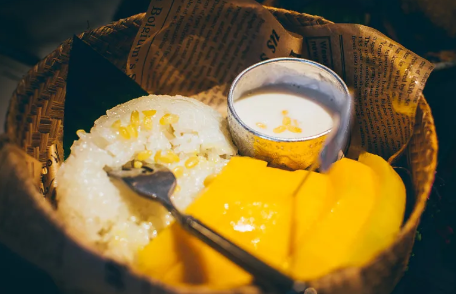
Pairing suggestion : Usually served with Filipino fried rice and fresh mango, which can help cut through the richness.
Final words
The value of Filipino roast suckling pig goes far beyond its taste. It is a culinary symphony composed of fire, time, and craftsmanship, a vivid embodiment of Filipino hospitality and celebratory culture.
It may not be the “world’s first” in a scientific sense, but it is undoubtedly one of the roasted pigs that brings the ultimate sense of happiness to countless people in a specific cultural context.
Frequently Asked Questions (FAQ)
Q1: What does Lechon mean?
A: It originates from Spanish and specifically refers to roasted suckling pig. In the Philippines, it has become a cultural symbol of national celebratory cuisine.
Q2: What is the best part of Filipino roast suckling pig?
A: Most diners prefer the golden and crispy skin, followed by the tender meat near the skin.
Q3: How long does it take to bake a Lechon?
A: 6–8 hours of slow roasting, which tests the chef’s patience and skill.
Q4: Where can I find the most authentic Lechon in the Philippines?
A: Cebu is known for its pure flavor, crispy skin, and tender meat. There are also high-quality restaurants in Manila that serve it.